How Wall Street Journal Social Media Editor, Gianna Barberia, is Expanding Engagement
Newsrooms across the country need to meet their audience where they are. For many consumers of news today, that means on their phones, on social media.
But posting engaging content on social media requires its own unique set of skills, strategies and editing techniques. That’s where Gianna Barberia, a social media editor at the Wall Street Journal, comes in.
We spoke with Barberia about what a successful post on social media looks like and how she’s utilized social platforms like LinkedIn to reshape the future of news distribution.
The following interview has been edited for clarity and length.
What is the LinkedIn posting strategy that you’ve worked on?
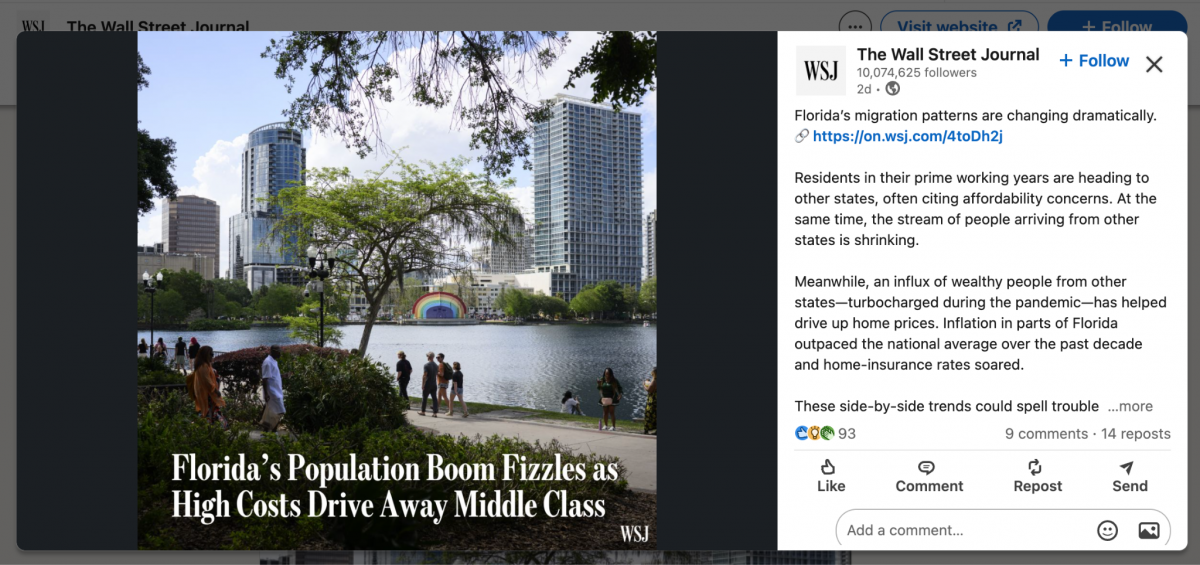
When I first came to the Journal we had no LinkedIn strategy at all, it was pretty much just everything that we posted on Facebook we cross-posted onto LinkedIn. We didn’t really look at LinkedIn singularly and think about the audience there.
I felt like that was a missed opportunity because the LinkedIn audience is very in-line with the typical Wall Street Journal audience and reader. So, about probably a year into starting at the Journal, I was able to be entrusted with taking the reins and creating a strategy for the platform.
Thankfully we have a really great relationship with the editors at LinkedIn News. They have a whole news team of community managers who will work with us on a daily basis. We have a whole Slack channel with them where we pitch them stories, they’ll request shares from us from our reporters and editors.
It’s a mutually beneficial relationship because they’re sending a notification to our post and promoting our reporters and our journalism, which obviously brings eyes to the Wall Street Journal. It also brings engagement onto our posts, and gives us clicks and conversions. At the same time, LinkedIn News gets more engagement on their platform as well from users.
A lot of the other social platforms like Facebook, Twitter (X), have over the years become a lot more hostile towards news and kind of de-center news from their own platform strategies. But LinkedIn wants to be known for news and they’re very eager to work with journalists and news publishers.
How do you decide which stories to prioritize for social strategy?
We’ll give out assignments and kind of make a game plan.
Like,“this story would perform really well on LinkedIn, this story would do really well on social video or the art on this video is really great we should do something with it.”
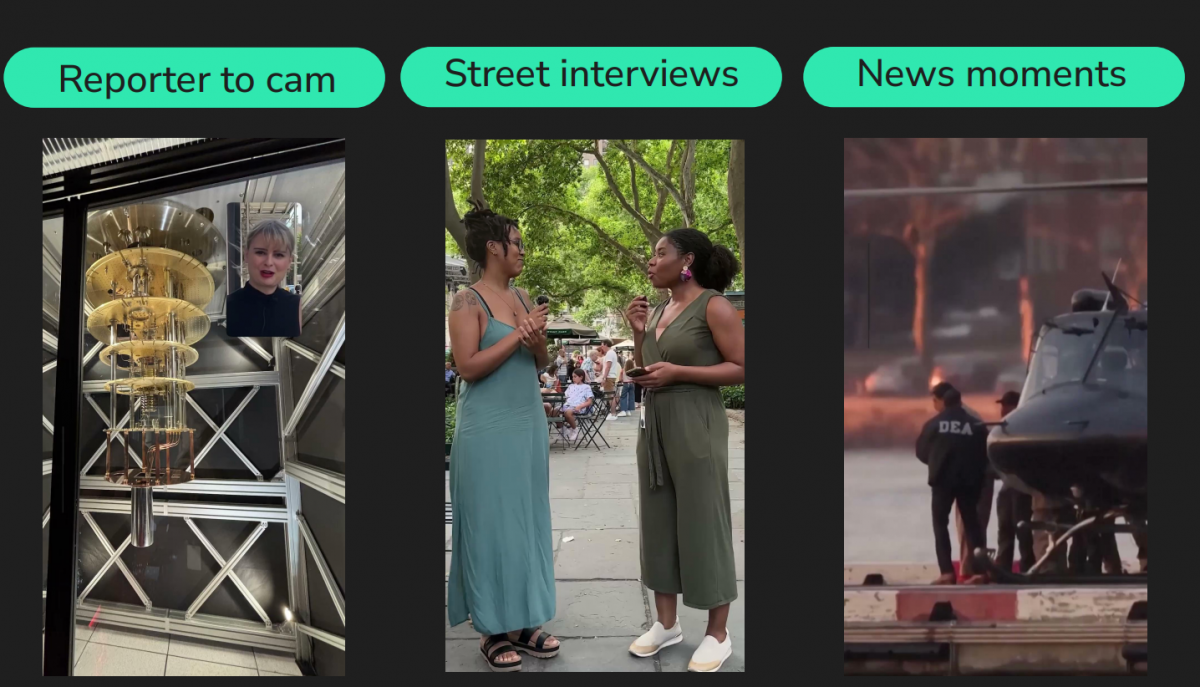
Then from there we decide if there’s any what we call “special treatment” that we want to do with them. Whether that’s a visual card, a video, Twitter (X) thread, working with the reporter to get them on camera or to have them post on their personal social media accounts.
Do you think you’ve found a “recipe” for posting on social media and getting engagement?
We’ve definitely found things that are generally successful for each social video.
We try to start each video with a strong visual from the story. We’ve found that if you start right on the reporter or whoever is delivering the story people will swipe and get bored. If you start on a compelling image that kind of draws them in on what it is that we’re talking about in the video, people will stay and watch.
The hook is definitely really important. We also make sure that every video has subtitles because a lot of people watch videos without audio.
Are you usually able to bring your audience off social media and onto the Wall Street Journal’s page?
It varies story to story and platform to platform. Clicks, and conversions, is one of the top things that we’re looking at when we’re looking at the analytics of our post.
Traditionally, newsrooms really value clicks and conversions, but we also definitely value engagement, creating meaningful conversation in the comments and shares. The metrics that we focus on vary platform to platform. Instagram won’t have as many clicks as a platform like Facebook.
What we would call our more “link-based platforms” will bring people off site the most, which are like Facebook, Twitter (X), LinkedIn, Threads, Bluesky and Whatsapp.
There’s been some growing distrust recently in legacy media in the US, how does your role at The Journal fit into that?
We started a talent lab at The Journal in the last couple of months where we’re dedicating time and resources into training our reporters to feel comfortable on camera and to feel comfortable posting on their personal social media sites.
People, I think, want to see a face to their news. It’s something that they can trust that’s not necessarily a brand. We’ve been working closely with our reporters to have them feel comfortable posting. I will sit down with a reporter, go over a story with them, help them with scripting a video, shooting, editing, posting, writing social copy. So far it’s been going really well. We’re even working now with our editor in chief Emma Tucker and she’s become more comfortable posting on her own LinkedIn.