How AI Slop, Agents and Vibe Coding Are Going Mainstream
“AI slop,” “AI agent” and “vibe coding” once sounded like expressions used mostly by developers and people who closely follow artificial intelligence. Now, all three terms have entered one of journalism’s most influential guides.
In May, the Associated Press added the expressions to the 58th edition of its Style book. The AP defined “AI slop” as low quality, mass produced AI content and described an “AI agent” as a system that can act independently for a person or organization. It also added “vibe coding,” although it advised journalists to avoid the slang term outside quotations and use clearer language instead.
The new entries show how quickly language that begins in technology communities can enter mainstream news coverage. But the three terms did not become common in the same way. An analysis of mentions of the phrases using data from Media Cloud shows that “AI slop” grew gradually as concerns about low quality online content increased, “vibe coding” appeared almost overnight, and coverage of AI agents expanded as technology companies began introducing systems that could complete tasks for users.
AI slop: From internet slang to newsroom language
At the beginning of 2024, “AI slop” barely appeared in news coverage. Its use began to rise later that year and accelerated in 2025 as journalists adopted the phrase to describe mass produced images, videos and articles filling search results and social media feeds. Mentions remained high throughout 2026, suggesting that the term had become a regular part of reporting on the declining quality of online information.
Figure 1. Monthly number of stories in Media Cloud containing the exact phrase “AI slop.” Mentions increased from only one story in January 2024 to 282 stories in August 2026. September 2026 includes data through September 29. Source: Media Cloud.
In May 2024, The Guardian published a story headlined, “ Spam, junk … slop? The latest wave of AI behind the ‘zombie internet.’” The article described slop in negative terms, created to attract clicks, advertising revenue and search traffic rather than help readers. Simon Willison, a prominent British software developer and co-creator of the Django web framework, said the term gave people “a concise way to talk about the problem.” The Reuters Institute brought the term closer to journalism in “AI generated slop is quietly conquering the internet. Is it a threat to journalism?” The article described slop as “vague text, filled with buzzwords, with no real point,” but also warned about material that looks credible while containing subtle errors. The piece suggests that the concern is no longer just that AI content is annoying, it’s that unreliable information is e search results, social media feeds and news coverage.
By 2025, the term had expanded far beyond generic AI writing. The New Yorker wrote that slop had “become ubiquitous” and used the word for political videos, fake animals and content made with Sora. WIRED applied it to automated websites and AI writing that was becoming “increasingly sanitized and artificially cheerful.” The same word now connects stories about misinformation, online culture, politics and the declining quality of information on the internet. Its place in mainstream language became even clearer when Merriam Webster named “slop” its 2025 Word of the Year.

AI agents move from promise to action
“AI agent” was already more common in news coverage than “AI slop,” but its use grew quickly as technology companies began releasing systems that could do more than answer questions. Often called agentic AI, these systems can turn a user’s goal into a series of actions and carry them out across apps and websites. Media Cloud found 52 matching stories in January 2024. By October 2025, that number had risen to 1,273. In September 2026, it reached 2,289, the highest monthly total in the period we examined.
In 2024, agents were still presented as the next stage of generative AI. The Verge called them “the future AI companies promise,” while OpenAI executive Kevin Weil predicted that agentic systems would “finally hit the mainstream” in 2025. That prediction shaped coverage in 2025. The Guardian called it “the year of AI agents” and explained that an agent could turn a broad goal into “a series of actionable steps.” Monthly mentions passed 1,000 for the first time in May 2025.
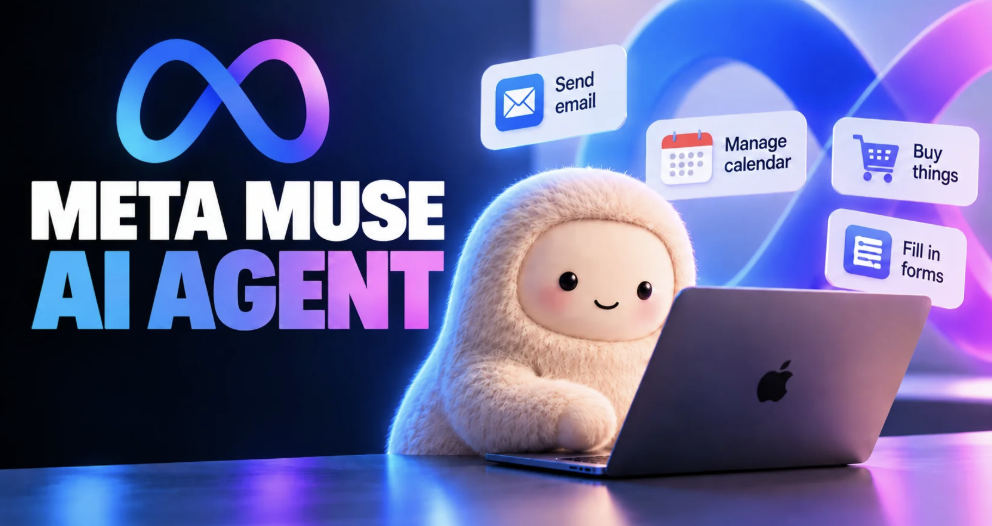
The record number of mentions in September 2026 coincided with two major launches. Meta introduced Muse, which can send emails, book travel and fill out forms.
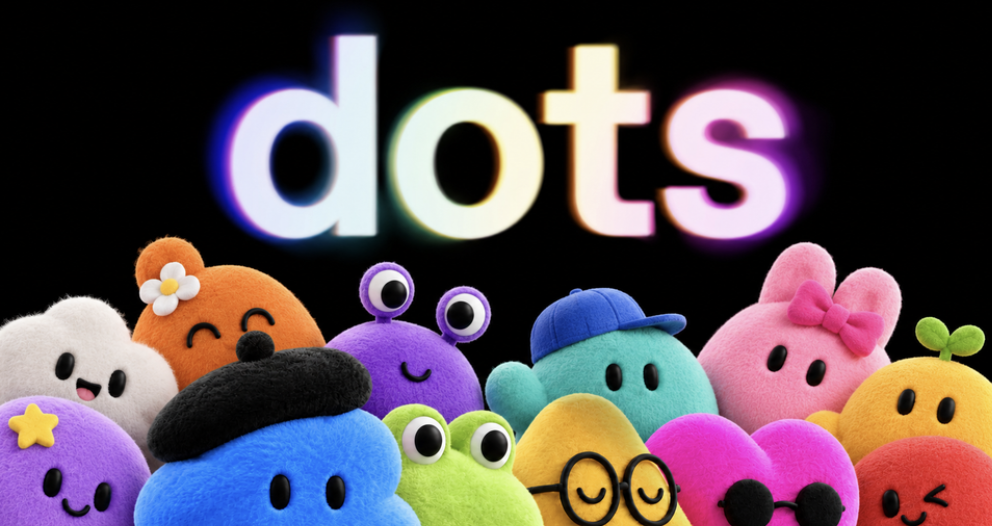
OpenAI followed with Dots, agents that can work across ChatGPT, Slack, Microsoft Teams and other apps. Sam Altman called Dots “the real deal version of AI we’ve always imagined.” The term now describes products that companies want people to trust with real tasks and personal information.
Vibe coding goes from a handful of posts to Word of the Year
“Vibe coding” did not appear in Media Cloud until February 2025. Mentions rose from three stories that month to 152 in September. Coverage reached its highest point in May 2026, when Media Cloud found 197 matching stories.
The term was first used in a February 2025 post by OpenAI co-founder Andrej Karpathy, who’s since left the company. He described a style of programming where users “fully give in to the vibes” and “forget that the code even exists.” Business Insider reported that Karpathy could build projects while “barely even” touching the keyboard, often pasting error messages back into the AI until the problem disappeared. By the end of 2025, the phrase had moved beyond technology circles. Collins selected “vibe coding” as its Word of the Year and defined it as using natural language to ask AI to write computer code. Collins’ managing director, Alex Beecroft, told TIME that the choice “perfectly captures how language is evolving alongside technology.”
The rise in coverage continued as journalists tested what vibe coding looked like in practice. A WIRED reporter spent two days using AI tools at Notion and shipped a feature despite being an English major. But the story also showed why human expertise still matters. One engineer compared working with coding tools to “managing a bunch of interns.” By May 2026, The Verge called AI coding “the first truly mainstream AI use case.” The article also warned that vibe coding can create bad software and expose personal data. The phrase now captures both sides of the shift: more people can build software, but they may not always understand the code they produce.
The language of AI is changing as quickly as the technology
Together, these three terms show different ways that AI language enters the news. “AI slop” gave journalists a name for unwanted content. “AI agent” became popular as companies moved from chatbots to systems that can take action. “Vibe coding” turned a new way of building software into a cultural trend.
The words are useful, but they also carry assumptions. Calling something “slop” is already a judgment about its quality. Calling a system an “agent” can make it sound more independent or capable than it is. “Vibe coding” can make software development sound easy while hiding the human review needed to find errors and security problems.
Their arrival in the AP Style book marks the point when once niche expressions became part of everyday reporting. If the speed of the past two years is any indication, the next AI term journalists will need to define is probably already existing online.

- How AI Slop, Agents and Vibe Coding Are Going Mainstream - October 23, 2026
- What’s the real story behind the spread of AI data centers? It depends where you get your news. - September 22, 2026
- How we’re using topic modeling to understand news coverage of data centers - September 22, 2026