How Georgia Makely is Using Podcasting to Bring Fashion’s Untold Stories to a New Generation
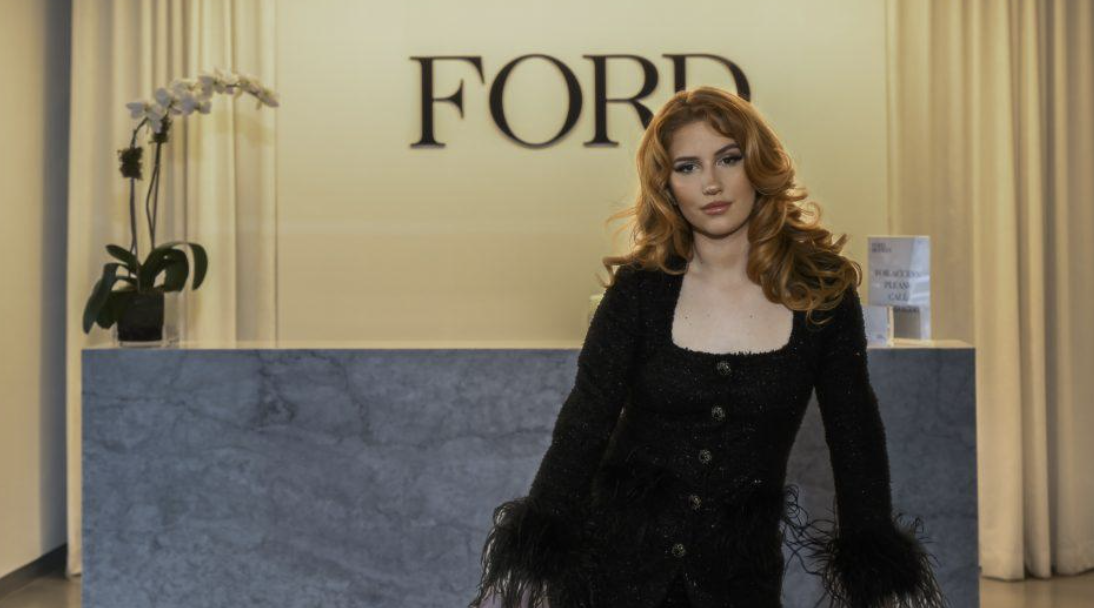
Fashion has always had gatekeepers. The editors who decide what’s in. The publications that decide who matters. The press dinners where the right people talk to each other. Georgia Makely has spent her career inside those rooms. As Global Director of Digital and Media at Ford Models, she sits across from stylists, editors, and emerging creatives at the very dinners where careers are made. And for years, she watched the same thing happen: the most interesting conversations ended when the night did.
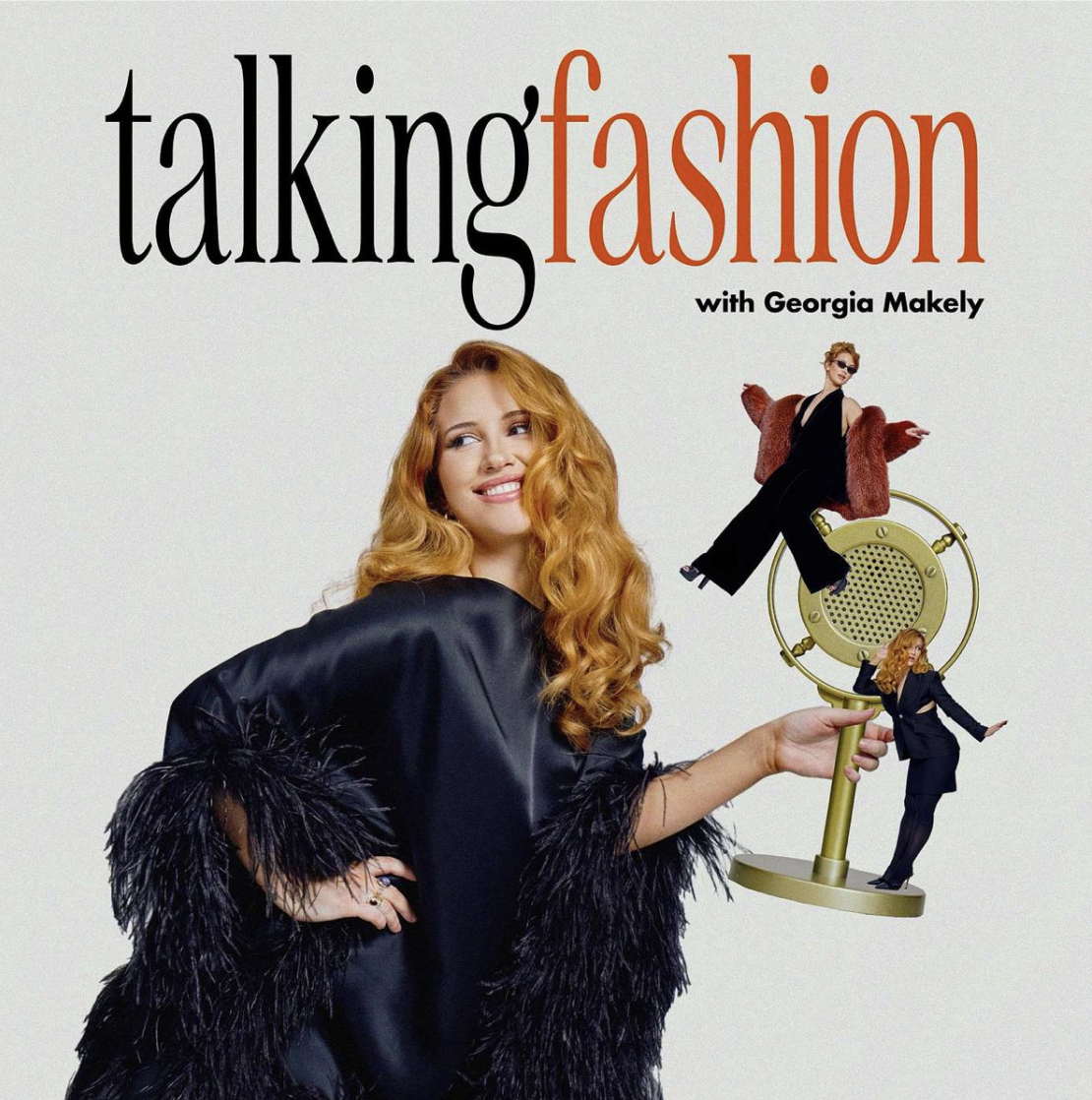
In 2025, she decided to change that. Talking Fashion, her podcast, is built around the people who will define the next chapter of the industry: the milliner, the fourth-generation gemologist, the celebrity stylist who isn’t famous yet but absolutely will be. Not the names already on every masthead, but the ones about to be.
We spoke with Makely about her process, why audio does what fashion journalism often can’t, and what stories she believes the industry is still getting wrong. At a time when legacy fashion media is shrinking and independent creators are filling the gap, Talking Fashion is part of a broader shift: the people closest to the industry are becoming its storytellers. Podcasting, it turns out, might be the format best suited to capture what glossy pages never could.
This interview has been edited for clarity and length.
What was missing in digital fashion storytelling that made you want to create your own platform?
Through my work at Ford Models, I come into contact with many different people in the business, from editors and stylists to influencers and people in editorial. Many of those rising in their careers, who I believe will be the next generation of leaders, have stories that just aren’t getting out there. When I created Talking Fashion, a lot of it was wanting to hear more about people’s career journeys. We’ve talked to everyone from a fourth-generation gemologist to a milliner to editors-in-chief and celebrity stylists. Part of it is my own curiosity, but also my background in the digital space, wanting to hear about where things are heading from people actually living through it.
Why did you choose audio as your storytelling medium and how does it change what’s possible in fashion journalism?
I’m always at an event with many of these people and we have such great conversations, but it’s never a supportive setting to go really deep. A podcast allows me to connect face to face and hear more about their stories in a way that a runway or a press dinner never could. You’re able to riff off of one another and you never know where the conversation is going to lead. I just had a guest someone on in season two who’s on a hit Bravo show, and I ended up deviating completely from my prepared questions because the conversation took on a life of its own. That conversational aspect creates a more dynamic interview than anything prepared and static ever could.
How do you make guests feel comfortable and open?
I come prepared, not just with general career questions but very specific things, maybe from a past part of their journey that they don’t often get asked about. Really knowing their story makes it a lot more comfortable for them to share. I always say: yes, there are aspects of hard-hitting journalism, but on the other sideб it’s really just a fun conversation. It’s a very insular industry and it can be an intimidating space. So just coming into it like I’m meeting a new friend and being genuinely curious about them, that’s the approach I take.
How does your role at Ford Models give you access to stories and conversations that traditional journalists might not get?
Through my job I’ve naturally come into contact with many people. I’m helping talent with editorial and PR, sitting across from a stylist and a journalist at a press dinner. That has opened up a real pathway of connection. I’ve actually had on a guest who later became one of my talent at the agency because we connected so much during the interview that the conversation led to working together on the business side. Season one was filmed in our office and the agency has been incredibly supportive. Season two is fully remote so I can talk to people all over the world at any time.
How do you think AI is going to affect the future of fashion storytelling?
The overall trend I’ve seen is a real demand for authenticity and transparency. People want a real person. I had Mandy Lee, known as Old Losers in Brooklyn, on the podcast and she was talking about how she’s never used AI for her trend forecasting and has only ever done it manually. I think it’s a slippery slope when you start using AI in the fashion business for creative purposes. The designers and creatives who succeed in this industry have always done something different, and it’s that deviation from what’s expected that works. I also prefer to do my own research just because you can tell when the questions are coming from a chatbot. Creating an authentic connection has to come from real curiosity, not something generated for you.
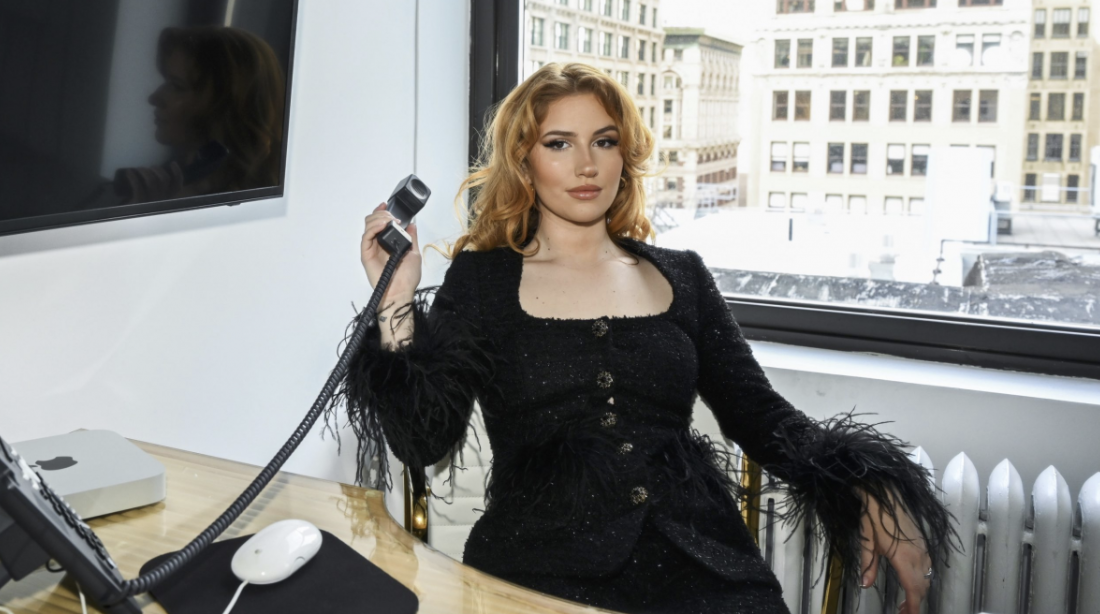
What conversations in fashion aren’t getting enough attention right now?
I think there is a need to continue the inclusivity conversation. There was such a huge focus on diversity and inclusion in 2020, but we’ve moved backwards. I’ve seen fewer curve models on the runway and a rise of the ultra-skinny model again. That is a huge part of my mission, both at Ford and on the podcast, to continue highlighting all different types of voices. Continuing to spotlight BIPOC talent, APAC talent, the LGBTQ+ community, that should have been the future of the industry instead of feeling like a trend. Through the podcast, I get to be a vehicle for that. I’m just making the introductions and letting people tell their own stories. If someone comes from an underrepresented community and my audience discovers them through Talking Fashion, that is a huge privilege for me.
What’s next for Talking Fashion?
Season two is going to be exciting. I have editors-in-chief, designers, milliners, and fashion commentators joining me. I had Risa Britannia, a fashion historian who has taught at FIT, on the show and she told me it would be perfect for her students. To me, that was the ultimate compliment, because that is exactly who I want to reach. A lot of people hear “fashion” and they think of very specific jobs: a writer, an editor, a designer. But they don’t know about all of the different paths you can take. If the podcast can spark that for someone and help them figure out what they want to pursue, that is the whole point. I want to bring the inside of the fashion industry into your living room, into your headphones, so that you can feel a part of it.