Scrolling for Something Real: The Antidote to “Doomscrolling”
Scrolling on social media often feels like a mindless time warp.
What once served as a place for users to connect with friends by posting casual content, has now transformed into a place full of social competition, consisting of an addictive and polished algorithm that feeds nonstop content, especially in short-form video format.
Popular features such as Instagram reels, TikTok FYP, and YouTube shorts, are rapidly eating away at viewers’ attention spans and sucking away their time. This feeling has been labeled as the “doomscroll effect”. Doomscrolling can take away from real world in-person connections, can limit time for important responsibilities, and can aid in numbing viewers’ emotions with its abundance of differing content and ads.
However, one type of content that is making a shift and gaining the attention of many social media users is videos and podcasts featuring positive, relatable, and seemingly genuine creators.
These feel-good creators are blowing up online, and not only because they make entertaining content, but perhaps because they fill the need for genuine and positive connections that so many users are lacking.
The Loneliness Paradox
A study reported that 61% of all U.S. adults reported feeling lonely in the last year, and 79% of which are a part of Generation Z. In addition, Gen Z has been named the most “chronically online” generation, and has the highest number of social media users out of all ages.
The association between Gen Z being the most connected online, yet also the loneliest generation, highlights the issue of social media being an isolating, negative, and numbing place.
Social media is meant to keep users engaged by creating a passive scrolling environment, one that users know they can lean on for a quick dopamine hit to cure boredom, or for what they believe to be a sense of connection online.
And, with the way feeds are designed across various social media platforms, the overload of content pushes addictive and unfulfilling material.
That is, until a user stumbles across a different kind of content.
A Different Kind of Creator
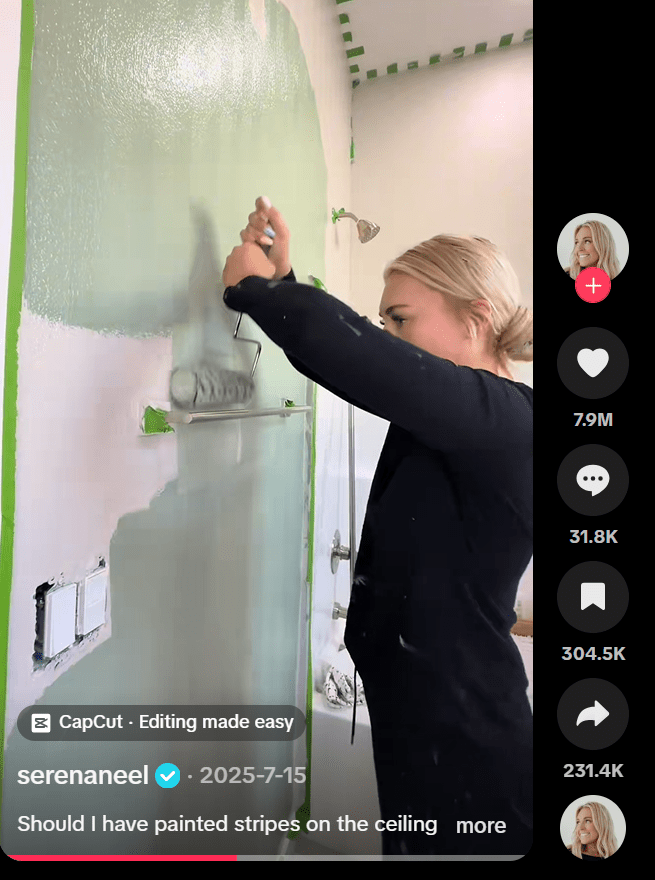
A new wave of creators is breaking through the blandness of feeds, not by chasing trends or perfecting their aesthetic, but simply by being real. Serena Neel, a creator from Utah, has recently risen to fame with almost 10 million followers on TikTok, and hundreds of thousands of views on all of her videos. Her most popular videos feature her giving back to her community by buying presents for children in need, along with her seemingly hectic DIY’s that consist of her fun and chaotic energy while she paints her bathroom walls in exciting colors.
Along with Serena, Brittany Broski, a funny and chaotic content creator with 7.5 million TikTok followers, produces extremely relatable, humorous, and occasionally chaotic content, often filmed from her bed. She typically makes short-form videos where she speaks in funny voices, reacts to trends, shares unfiltered opinions, and leans into her own awkwardness.
Not only are shorter videos promoting relatable and entertaining content becoming popular online, but in recent years podcasts have taken off, such as “Call Her Daddy” hosted by Alex Cooper, and “Anything Goes” by Emma Chamberlain.
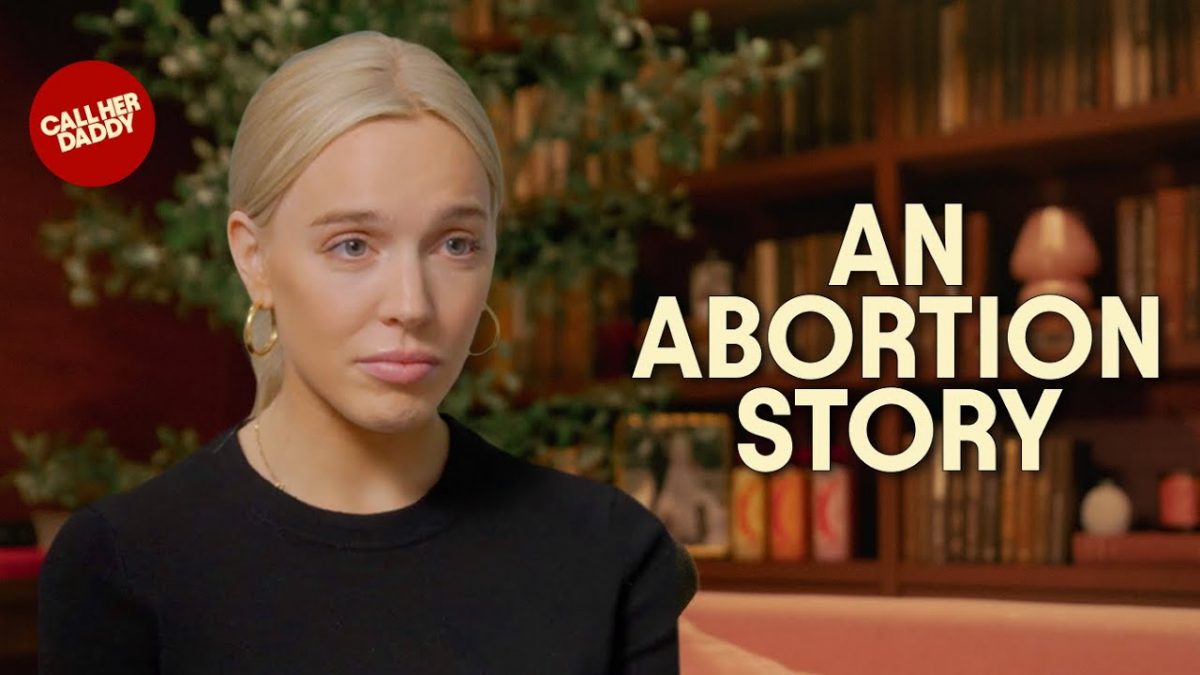
On her podcast, Emma Chamberlain, who was once a humorous YouTube creator, now dives deep into her own life experiences, emotions, and friendships, offering vulnerable stories, opinions, and advice to viewers. Alex Cooper presents similar ideas on her podcast, while focusing on modern dating, mental health empowerment, and bringing on creators and celebrities to discuss their own experiences and give advice.
What They all Share
While all of these creators have high follower counts, similar content styles, and all utilize similar platforms, their main similarity is the way they make their audiences feel.
Unlike the polished and overwhelming content that dominates most feeds, these creators feel like real people.
They film from their bedrooms, open up about their own experiences, and talk to their audiences like friends, instead of just followers.
That emotional difference makes more of an impact than it might seem.
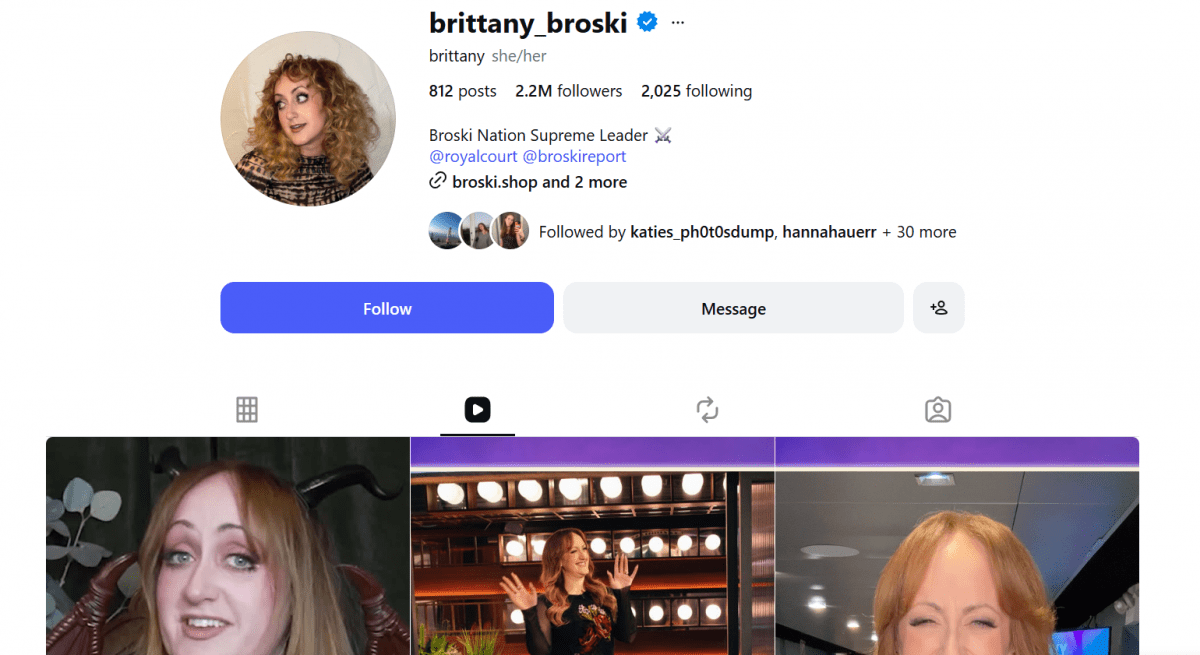
When a viewer watches Serena Neel chaotically paint her bathroom and thinks “I could do that,” a real sense of connection has happened. When Emma Chamberlain admits she doesn’t have it all figured out, her listeners feel less alone in their own uncertainty. And when Brittany Broski films herself lying in bed talking about an embarrassing experience, viewers feel seen and understood.
This is what most social media content fails to deliver. The trap of doomscrolling might pass the time and serve as a temporary fix for boredom, but it never leaves a true meaningful impact.
These creators do something different, they offer the feeling of genuine connection, even through a screen. And for a generation that is chronically online yet deeply lonely, that feeling is exactly what they have been scrolling for.
“i’m definitely in a stage of limbo in my life right now that is undeniably deeply uncomfortable. i feel like i’m growing right now, and it’s one thing to be growing on a micro scale, like in one area of your life, but it’s another thing to be growing in multiple areas of your life at once. and that’s what i’m gonna be talking about today.” – In a recent YouTube video titled “growing is so uncomfortable lol,” Emma Chamberlain opens up about the discomfort of growing in multiple areas of life at once.
The Bigger Picture
An important thing to note about these creators is that their goals are not to create the most curated and aesthetic content, but they instead grow their platforms by simply showing up as themselves.
The timing of the relatable and genuine creators “trend” is no coincidence, as doomscrolling and loneliness are both at an all time high, making it the perfect opportunity for real creators to step in and foster a sense of belonging for so many viewers online.
Maybe that’s what we look for each time we pick up our phones. Not a perfect creator with a cohesive aesthetic who seemingly has it all “figured out”, but instead we search for genuine and meaningful connections from creators online.
We look for them to provide us the reassurance that all of our imperfections, our craziness, and our worst experiences, are indeed relatable and worth talking about.
Where My Data Comes From
The graph that I redesigned was inspired by data from a Cigna Group survey, reported by Statista. The data was originally displayed in a similar format, but the colors were bland and the graph was difficult to read and understand. My redesign features clear labels and highlights Gen Z as the loneliest generation out of all those surveyed. I used this data to strengthen the idea that while Generation Z are the most online, they are also reportedly the loneliest generation. In addition to this data, I used information from Impact 360 Institute, “Gen Z Knows They Spend Too Much Time Online”, and Harvard Health Publishing, “Doomscrolling Dangers”, to further my knowledge of doomscrolling and Gen Z’s presence online.
My Social Media Plan
To promote my story and its central themes surrounding doomscrolling and how positive relatable content creators are becoming more famous and building connections online, I would first make users of social media aware of the negative effects of doomscrolling. This could consist of short ads or information blurbs spread across different social media platforms. By informing users of their negative doomscrolling behaviors, it can offer them a chance to realize what is lacking from their social media experience, and help them to rethink how they’re engaging with content online.
In terms of continuing the spread of positive and relatable content that creators are promoting, my plan consists of letting them continue to make videos, while also pushing their content through the algorithm. Part of the reason why some creators are so good at fostering real and relatable content is because it’s not strategically planned or rehearsed. Therefore, if these creators are given the platforms and tools to continue making videos as they are now, their followers and enagagment levels are likely to continue growing, and followers will continue to experience the meaningful connections they need. By influencing the algorithm to push out these types of videos, they can reach more users online and spread more positivity. This could look like specific hashtags or trending sounds that over time become associated with genuine, feel-good content, and in turn, train both the algorithm and the audience to seek out something better than the doomscroll.