How “Streetscape Creator” Matthew Dickey Went From Independent Video Artist to On-Air Media Personality
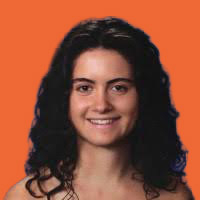
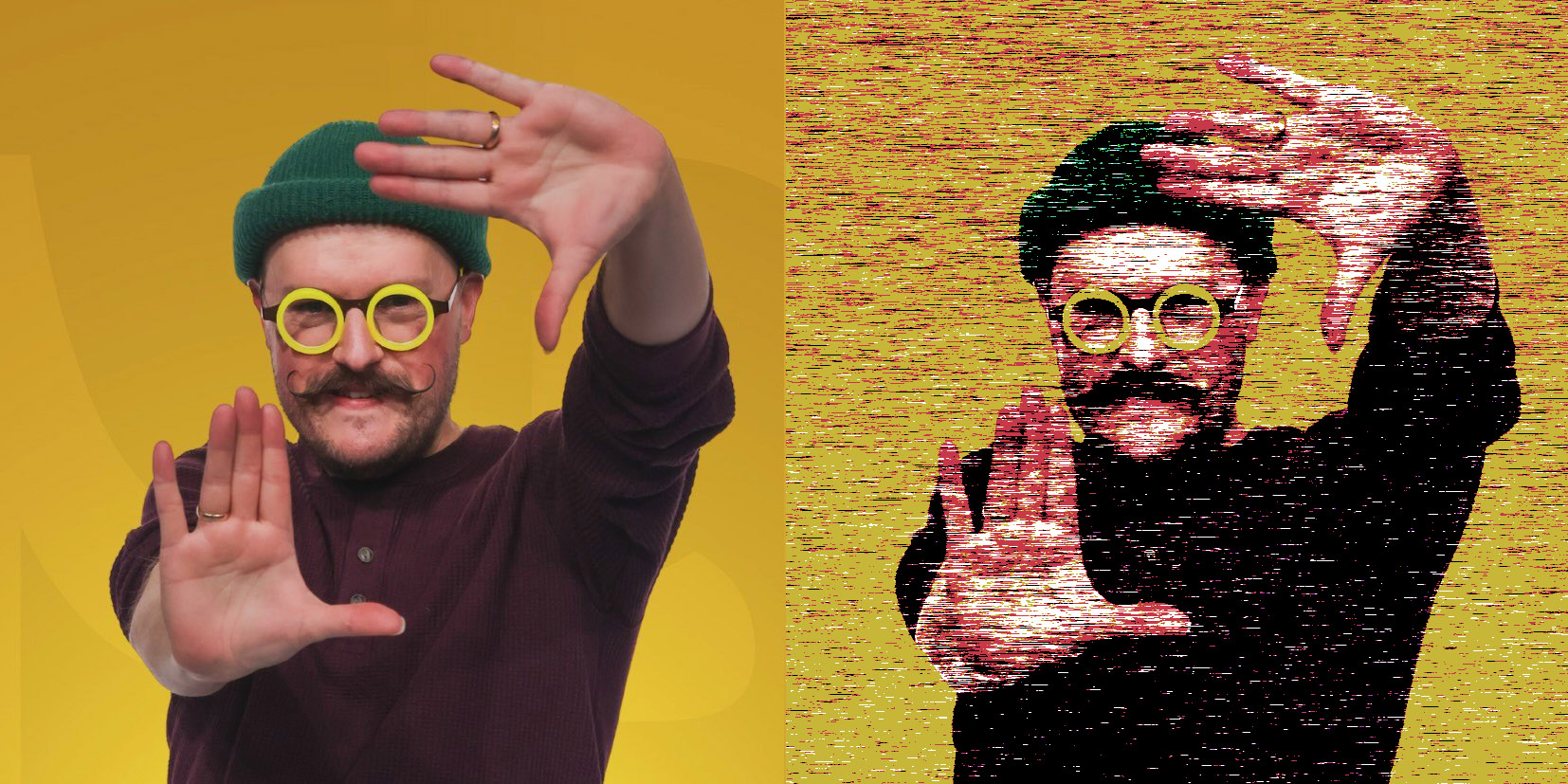
Matthew Dickey didn’t start in a newsroom. He started on the streets of Boston with his phone and an idea. As the creator behind “Streetscape Creator,” Dickey built a following by walking through neighborhoods, spotlighting small businesses and telling quick, human-centered stories for social media. His videos reach thousands of viewers and tap into an audience traditional news outlets have yet to capture. His social media success caught the attention of New England Sports Network (NESN), which recruited Dickey directly from Instagram and brought him into the world of legacy media.
Dickey’s rise from independent creator to on-air personality reflects a broader shift in journalism. Audiences are no longer just turning to newsrooms for stories; they’re finding them through individuals.
This interview has been edited for length and clarity.
How did you first get into journalism and storytelling?
I just found it by accident, in a way. I’ve always been a curious individual and interested in the built environment: how and why our cities look the way they do, how a building is placed where it was, or why the street has this name. That brought me to want to research, learn more and be a storyteller — to connect people to those stories.
What led you to work at NESN?
I’m now on my third season of a television show called “Meet Boston with Billy and Jenny.” I’ve been with them from the beginning, and it’s been a really fun and interesting experience. It’s my first official journalism-type role. I went to art school, and I never thought I would be an artist on the sports network. They found me on Instagram and that is kind of what propelled me in that direction.
Before that, I was a storyteller, telling stories of urbanism with the Boston Preservation Alliance. I was working with them in some capacity for 10 years. But when the pandemic hit, the idea of visual and video storytelling really took off. So I was kind of doing the things I’m doing now, just in an unofficial journalistic role.
Do you think journalists now are expected to be social media creators or have a platform separate from their journalism work?
I came at it from the opposite direction, and I have a kind of weird, unique angle. But there are a lot of ways that you can have a presence. I feel like all journalists are storytellers in some way, and their stories will come out in ways that benefit their own creative endeavors. I think about Janelle Nanos from The Boston Globe, who’s been working on a book that’s going to be due out soon, or my friend Spencer Buell, who is almost non-existent on any social media platform, but he does do a lot [on socials for the Globe]. He’s the face of the Globe frequently.
Do you feel like social media has changed what it means to be a journalist or made it easier for people to become journalists?
Absolutely. It has been really strange to me that I get to be called a journalist, even though it’s not something that I went to school for. Traditional media outlets haven’t really embraced social media, and now you’re seeing citizens of the street fill that role. I did a piece with WBUR because they were looking for personality and storytellers that could fill in that. Without social media, I don’t think I would ever have found those opportunities. I mean, I didn’t know it was a career when I was in college.
What advice would you give to young journalists trying to build their brands?
Be authentically you: only you see the world through your eyes. That’s your biggest asset, and that could be anything. The thing that I love about storytelling and journalism is that if you and I both went to do a story, it would be different. That’s a good thing, because if you read about history, you get it from different angles, which is how you understand what happened. So tell it the way that only you’ll tell it. Don’t try to copy something, because it’s a trend. Try to just be you.
Where do you see digital journalism going in the next few years?
I mean, with that question, doom and gloom kind of creeps in a little bit. How do you authenticate things? That’s why these traditional forms of media are so important, and the reputation that they hold. I do feel like there’s the power of the individual, and they might carry weight. I think about Jake Dave, formerly of the Washington Post, and how he grew this brand at the Washington Post, but now he has his own entity. I have a feeling we might see more of that. I don’t know how that changes things, but I will say that as an individual, you do have power in storytelling.